From City Office to Sea View: Could Dubrovnik Suit Europe’s Flying Professionals?
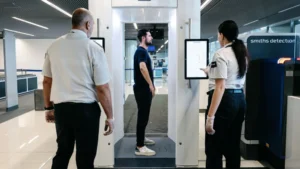
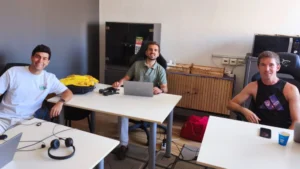
When a London-based professional sells his home, moves to Barcelona, and continues to commute nearly 1,000 miles back to the office by plane, it sounds like a curiosity. But scratch the surface and it begins to look less like an exception and more like a blueprint for a new way of living and working in Europe.
The story of a British professional flying back to London a few times a month while enjoying a higher quality of life in Spain reflects a growing reality of post-pandemic work: location is no longer tied neatly to the office, reports MSN. And that raises an intriguing question closer to the Adriatic: could Dubrovnik play the same role for Europe’s next wave of digital nomads?
Living well, working elsewhere
The logic behind the move to Barcelona was simple. Lower living costs, better weather, excellent food, and frequent, affordable flights back to the UK. The numbers told the story: a cheaper home, flights costing less than a suburban train ticket, and a lifestyle that left room for health, friendships, and time.
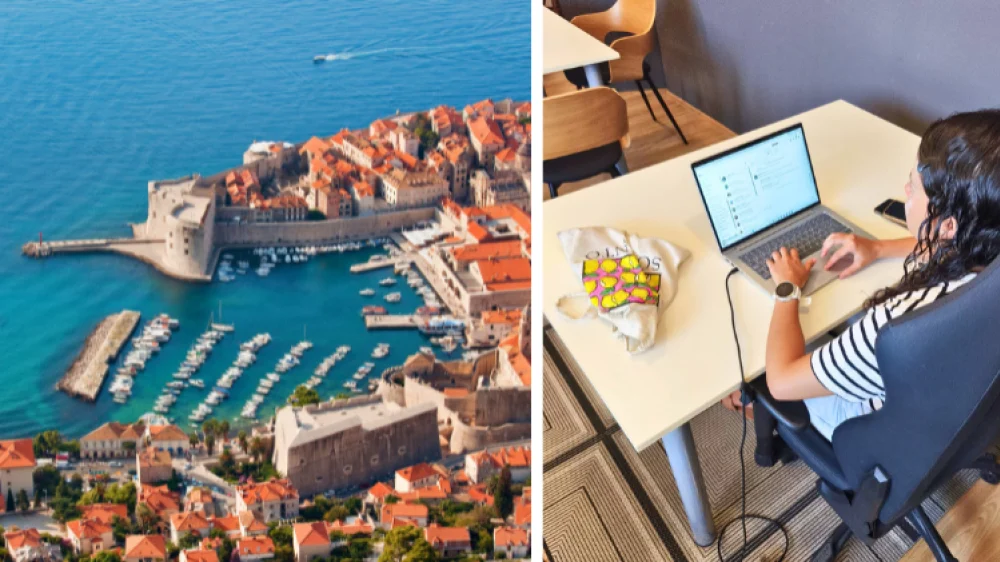
Dubrovnik, while very different from Barcelona, increasingly ticks similar boxes. It offers safety, climate, walkability, strong internet infrastructure, and a pace of life that feels worlds away from Europe’s financial capitals. For many remote workers, the city already functions as a base for fully online jobs. The next evolution may be more hybrid: living in Dubrovnik, working mostly remotely, but commuting occasionally to offices in cities like London, Frankfurt, Paris, or Milan.
The flight factor
This model depends on one crucial detail: connectivity. Dubrovnik Airport has expanded steadily in recent years, with direct routes to major European hubs and increasing shoulder-season connectivity. A digital nomad no longer needs daily flights; two or three office visits a month are often enough.
For someone working in finance, tech, consulting, or the creative industries, a short flight every few weeks may be a small price to pay for living by the sea rather than near a ring road. The Barcelona commuter showed that flying can be cheaper, faster, and less draining than traditional rail commutes. Dubrovnik, especially with improved year-round connections, could fit into the same mental calculation.
Why Dubrovnik makes sense
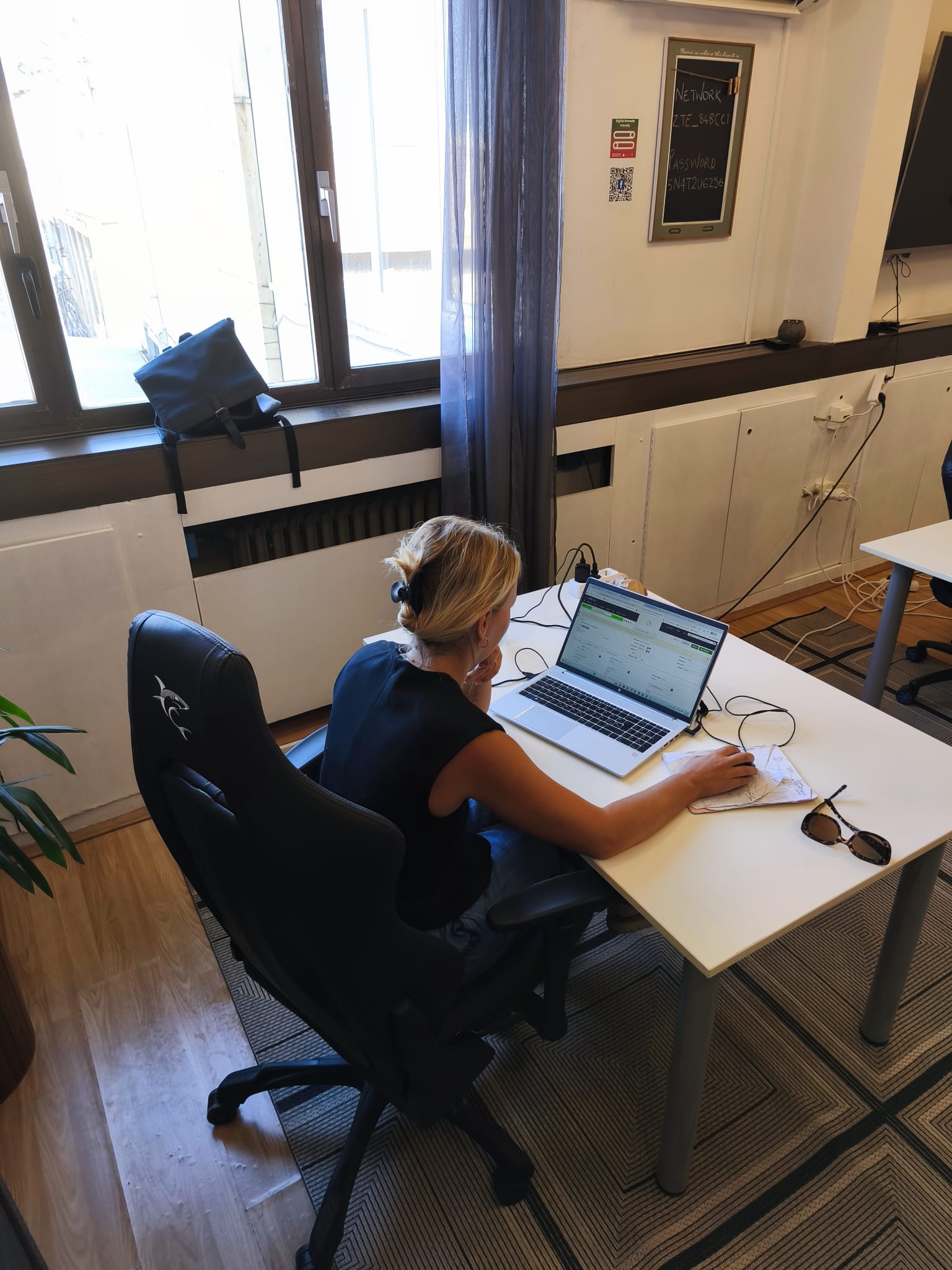
Unlike sprawling capitals, Dubrovnik is compact. Daily life is efficient. The sea is never far away. Co-working spaces, cafés with strong Wi-Fi, and a growing digital nomad community already form the backbone of a remote-working ecosystem. Add Croatia’s digital nomad residence permit, and the legal framework is already in place.
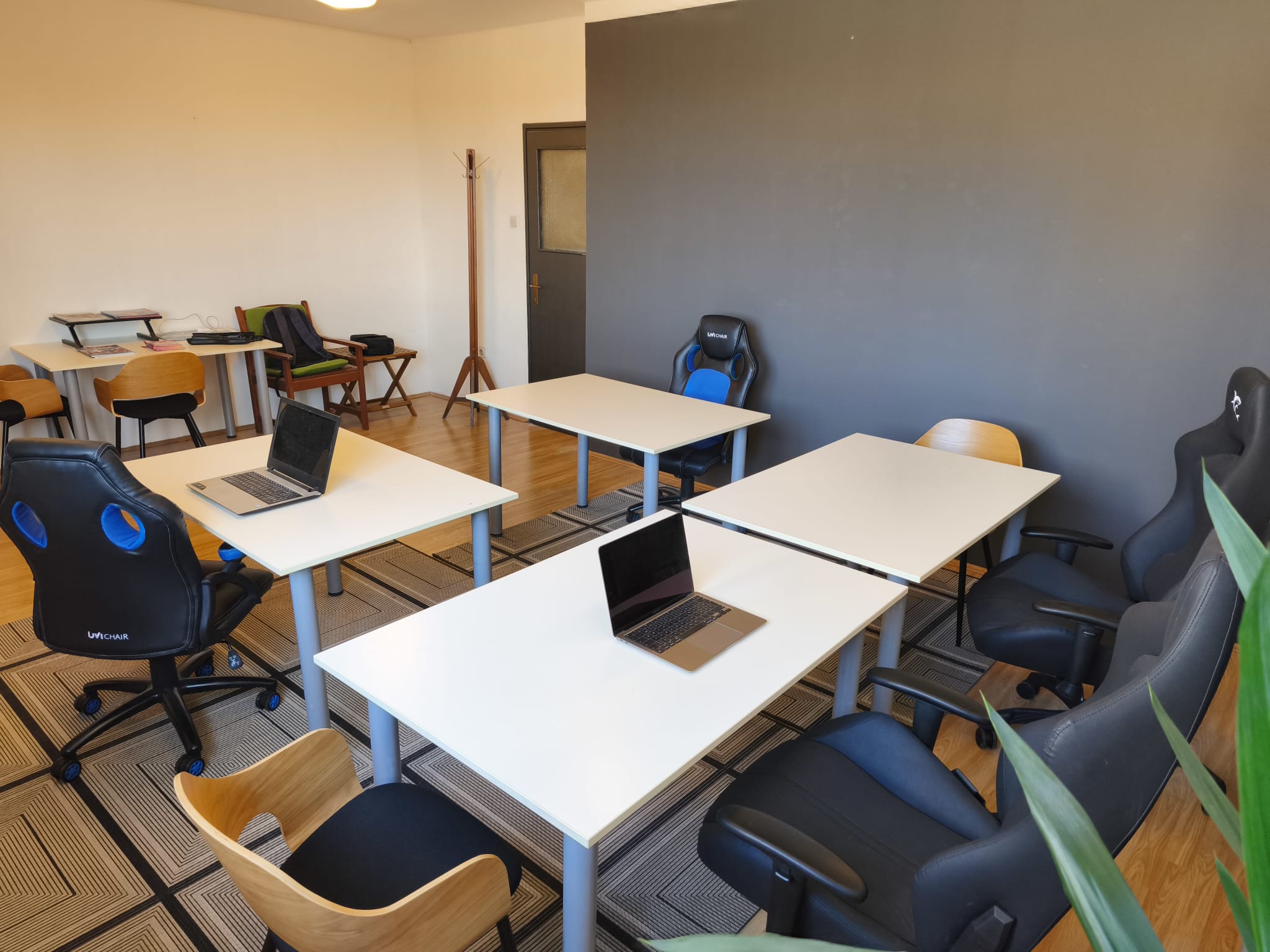
Dubrovnik’s co-working space
What Dubrovnik offers, perhaps more than anywhere else in the region, is contrast. A morning swim before logging on. A medieval city as a daily commute backdrop. Lunch breaks that feel like holidays. For professionals burned out by high rents, long commutes, and crowded cities, that contrast is powerful.
A new European rhythm
The idea of living in one country and working regularly in another is no longer radical. It is becoming normalized, especially for younger professionals who value flexibility over permanence. The question is not whether this trend will grow, but which cities will benefit from it.
Dubrovnik may never be Europe’s cheapest destination, nor should it try to be. But as a high-quality base for professionals who earn elsewhere and spend locally, it has strong appeal. If Barcelona can make flying 965 miles to work seem reasonable, then a Dubrovnik-to-Europe commute may soon feel equally normal.
In that future, Dubrovnik is not just a destination. It is home, office, and refuge all at once — a place where work bends around life, not the other way around.