Croatia Among World’s Attractive Destinations for Digital Nomads as Remote Work Reshapes Travel

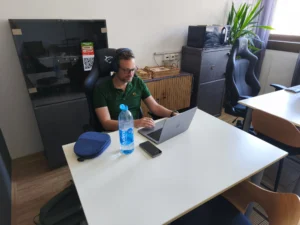
Croatia is continuing to establish itself as an attractive destination for digital nomads, with its Adriatic lifestyle and dedicated residence permit helping the country compete in an increasingly crowded global market for remote workers.
A recent international ranking highlighted by World Population Review has placed Croatia alongside established digital nomad destinations such as Portugal, Spain and Estonia, underlining the growing importance of countries that offer a combination of lifestyle, reliable infrastructure and flexible residency options.
As millions of professionals around the world move away from traditional office-based employment, the question of where to live and work is becoming increasingly important. And for many, the decision is no longer simply about finding the cheapest destination.
Instead, quality of life, internet connectivity, accommodation costs and straightforward residency procedures are becoming deciding factors.
Croatia’s Adriatic Lifestyle Attracts Remote Workers
Croatia has positioned itself as a destination for international remote workers through its digital nomad residence permit, which allows eligible non-EU nationals to stay in the country for up to 18 months.
Combined with its Mediterranean climate, historic coastal cities, natural beauty and membership of the European Union and Schengen Area, Croatia offers an appealing alternative to more established remote-working destinations.
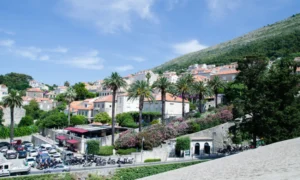
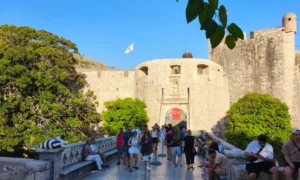
Cities such as Dubrovnik, Split and Zagreb have become increasingly visible within the international digital nomad community, while smaller coastal towns and islands offer opportunities for those seeking a quieter working environment.
For remote workers who can carry out their professional responsibilities from anywhere, Croatia’s combination of European infrastructure and Adriatic living provides an attractive proposition.
European Countries Compete for Digital Nomads
Croatia is far from alone in recognising the economic potential of attracting remote workers.
Estonia, a pioneer in digital governance, offers a remote-working visa valid for up to 12 months, with applicants required to demonstrate monthly earnings of at least €3,960.
Portugal remains a popular choice thanks to its safety, infrastructure and widespread English proficiency, although rising accommodation costs have encouraged some remote workers to explore alternatives to Lisbon.
Spain has also strengthened its position through a dedicated teleworker residence permit, providing longer-term opportunities for qualifying professionals from outside the European Union.
Meanwhile, neighbouring Montenegro is attracting attention as a lower-cost alternative, with relatively affordable accommodation and living expenses.
Against this competitive backdrop, Croatia’s challenge is not simply to attract digital nomads, but to encourage them to stay longer and explore destinations beyond the traditional tourist hotspots.
Remote Workers Looking Beyond Europe
The competition for digital nomads is increasingly global.
Thailand has introduced its Destination Thailand Visa, while Malaysia’s DE Rantau Nomad Pass offers eligible remote workers and their families opportunities for extended stays.
Costa Rica has also developed a dedicated programme offering qualifying applicants renewable residency and certain tax advantages.
These initiatives demonstrate how governments are increasingly viewing digital nomads as an opportunity to attract international spending, professional expertise and longer-term visitors.
A Growing Opportunity for Croatian Tourism
For Croatia, the continued rise of remote working presents opportunities that extend beyond traditional tourism.
Unlike conventional holidaymakers, digital nomads often remain in a destination for weeks or months, spending money on accommodation, restaurants, transport and everyday services.
Their presence can be particularly valuable outside the peak summer season, when many Croatian coastal destinations experience a sharp reduction in visitor numbers.
With international competition intensifying, Croatia’s ability to combine its natural attractions with reliable digital infrastructure, affordable longer-term accommodation and welcoming local communities will play an important role in maintaining its appeal.
And as more professionals discover that their office can be almost anywhere in the world, Croatia’s Adriatic coast remains an appealing place to open a laptop and start the working day.